Funding a clinical trial in Nepal

The Trustees of the Howard Foundation are delighted to announce that they are funding a four year research project based in Nepal. The CoDIAPREM (Community-based Diabetes Prevention and Remission) project will investigate whether reverting to a traditional diet could help reduce the growing number of people suffering with type-2 diabetes in Nepal.

Until recently type-2 diabetes was rare in Nepal. Nepalese people, along with other Asian and indigenous peoples, are genetically predisposed to type-2 diabetes but the disease only emerged after energy-dense processed foods were introduced to the country and people started to gain weight. Now, the country has a high prevalence of the disease and its disabling complications – about one in five people aged over 40 have it, and medication-based diabetes treatments are unaffordable for most people.

The project offers a model for low-cost intervention against type-2 diabetes using a simple finger-prick blood test that identifies individuals who either have or are likely to develop type-2 diabetes. The diet plan is delivered and supported mainly by local volunteers in a community-based programme with minimal demand on health professionals.

Professor Mike Lean of the University of Glasgow, who will lead an international team of researchers, has already conducted earlier small scale trials in Nepal. Following two years of preparation, the CoDIAPREM project was originally approved by the UK government as part of its Global Health Research Programme. However, subsequent budgetary changes resulted in the programme funding being withdrawn in July 2025. Professor Lean then approached the Foundation to ask if they could help. He is an alumnus of Downing College and gave the Howard Lecture in May 2025 where he described his decades long research into achieving remission of type-2 diabetes through nutrition. The results from the Diabetes Remission Clinical Trial (DiRECT) have now been adopted for routine care by the NHS.

Julie Lambert, Chair of the Howard Foundation, said: “My father, Dr Alan Howard, who set up the Howard Foundation in 1982, led research into obesity and weight loss in the 1960’s and 1970’s leading to the creation of a dietary approach to treating obesity. When Professor Lean approached the Foundation we saw that this research has now come full-circle. We believe that funding this project will have a major public health value. It will highlight the role of diet in both the prevention and treatment of diabetes in Nepal and in other low-to-medium economies.

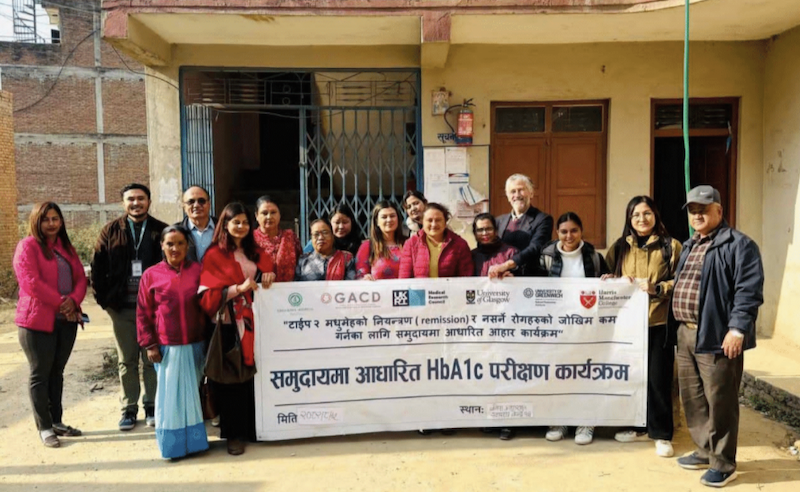
Professor Mike Lean with members of his research team in Nepal, pictured at a ‘Diabetes Screening Day’ outside a local Health Centre with health workers and community volunteers.

Extended support for the NRCI

The Howard Foundation has increased its support for the Nutrition Research Centre Ireland (NRCI) by providing funding to allow Dr Anne Graham Cagney to join as Deputy Director, working with Professor John Nolan and his team to help shape their strategic research priorities for the future.

The Foundation has supported research at the NRCI for many years. Initially part of the Waterford Institute of Technology, the NRCI is now part of SETU, the South East Technological University, in Waterford, Ireland.

Click here to read the press release from SETU.

Julie Lambert, Chair of The Howard Foundation said, “The Howard Foundation is pleased to increase its support to the NRCI. The Foundation, through my father Dr Alan Howard, began supporting the research led by Professor John Nolan in 2010. Since then, under his leadership, the research team and the facilities supporting that research have grown into establishing the NRCI as an internationally recognised centre for research in the areas of human nutrition for eye and brain health. We look forward to working with Dr Graham Cagney and Professor Nolan in continuing to develop the team and the research for the future.” 

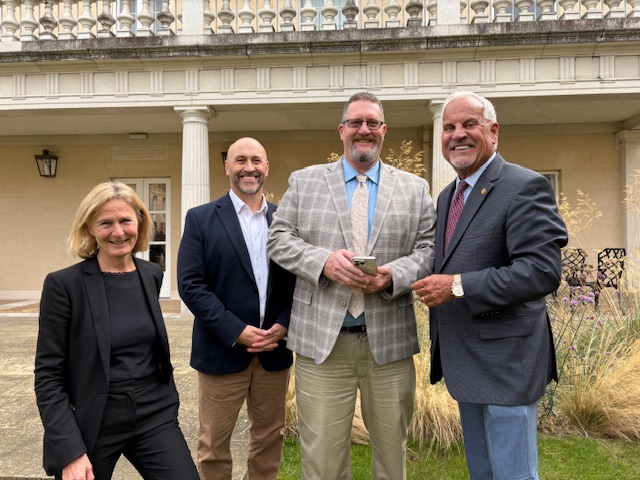
Left to right: Julie Lambert (HF Chair), Dr Anne Graham Cagney, Professor John Nolan, Jon Howard (HF Trustee)

Roger Harris Memorial Seminar

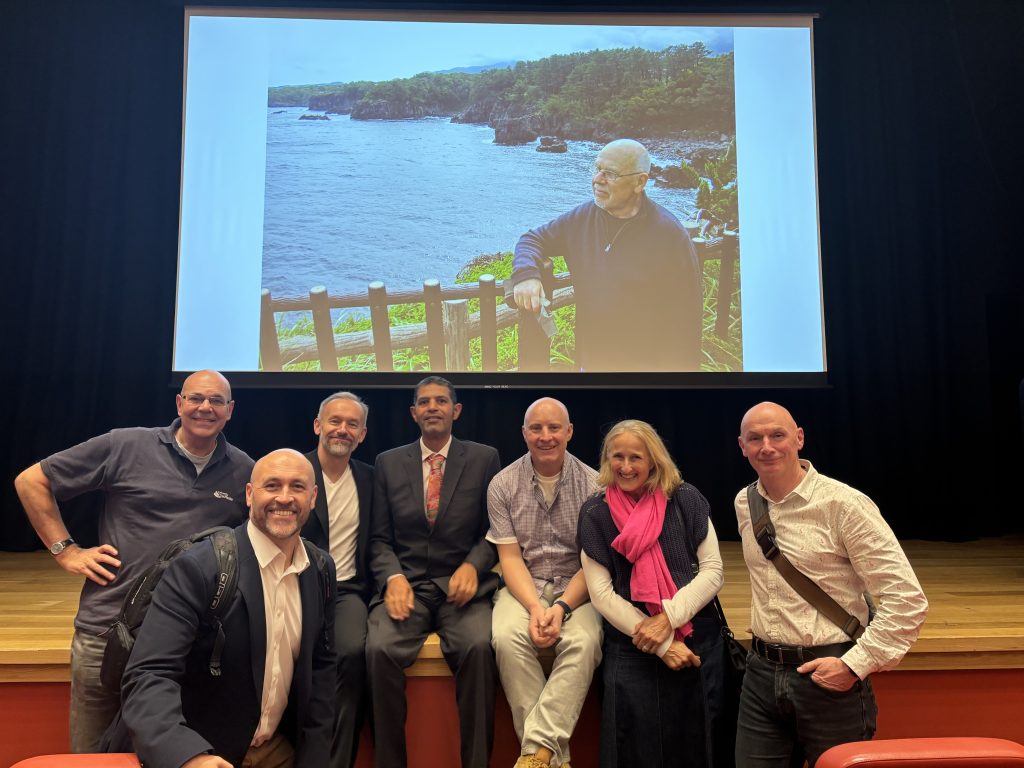
Howard Foundation was an organiser and sponsor of a Memorial Seminar held in the Howard Theatre at Downing College, Cambridge on 17th October 2025 to honour the life and work of Roger Charles Harris (1944-2024), a colleague of Alan Howard and collaborator with the Foundation in scientific and commercial projects relating to Creatine. Prof Craig Sale and Prof Jay Hoffman were the principle organisers and Mr Mark Ledoux of NAI (Natural Alternatives Int Inc) was the principle sponsor of the seminar.

The 2010 Creatine conference, held at Downing College and sponsored by the Foundation, was the only worldwide one of its type between 1999 and 2015, and was referenced as seminal by several speakers who attended.

The papers presented at the Seminar will be published in the Journal of Nutritional Physiology as a special issue under the title “The Past, Present and Future of Creatine and Beta-Alanine Research – in honour of the scientific contributions of Professor Roger Harris”.

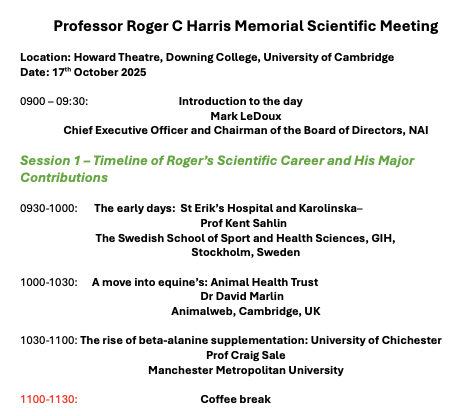
Click to read the full agenda in PDF
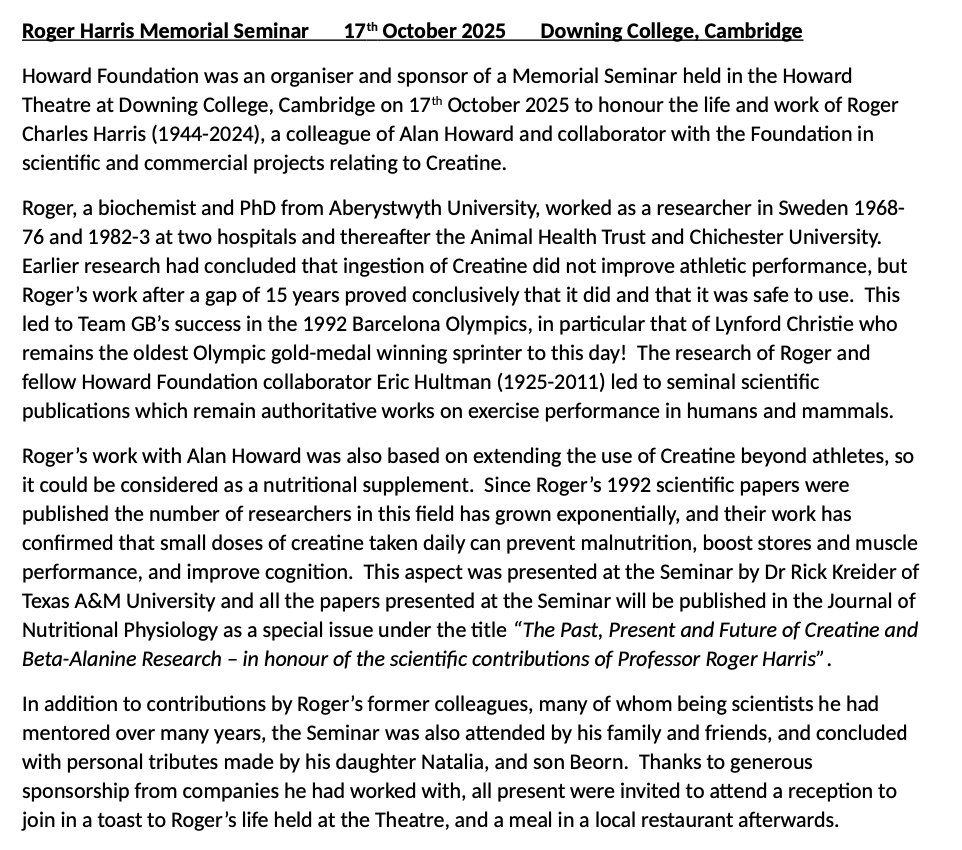
Click to read the seminar report in PDF

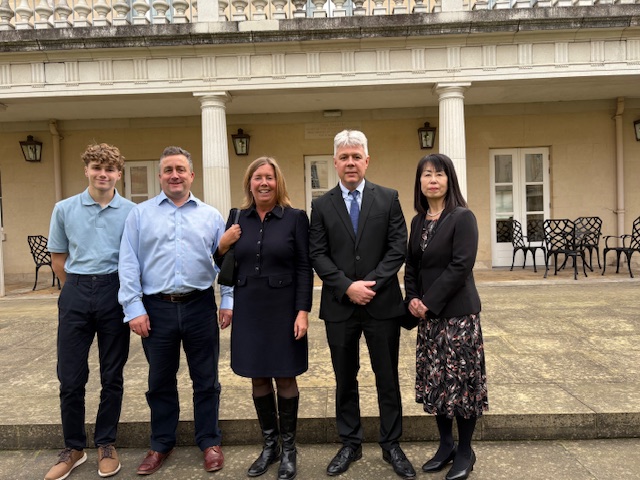
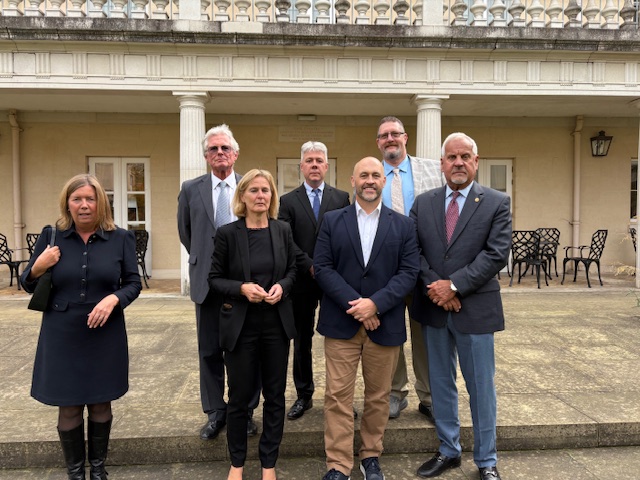
Various photographs were taken at the event and are shown below. The first photograph shows Dr Ulrike Braun, Prof Craig Sale, Prof Jay Hoffman, Mr Mark Ledoux; the second shows Frederick, Marcus and Natalia Cadman, with Beorn and Takako Harris; the third shows Natalia Cadman on the left then back row Dr John Braithwaite, Beorn Harris and Prof Jay Hoffman, front row Dr Ulrike Braun, Prof Craig Sale and Mr Mark Ledoux

BON Conference 2025

Dr Alan Howard, through the Howard Foundation, sponsored the first international conference on macular carotenoids at Downing College Cambridge in 2011.  Dr Howard and Professor John Nolan of the NRCI created the BON (Brain and Ocular Nutrition) network of scientists and the first BON Conference was held at Downing College Cambridge in 2018 and the second in 2022. The Foundation continued its support of research into eye and brain health as a headline sponsor of the 2025 BON  conference which was held for the first time in the USA at Endicott College, Massachusetts from 17-20 June. This was attended by the Chair, Treasurer and Secretary of the Foundation together with over 100 researchers and students from around the world.

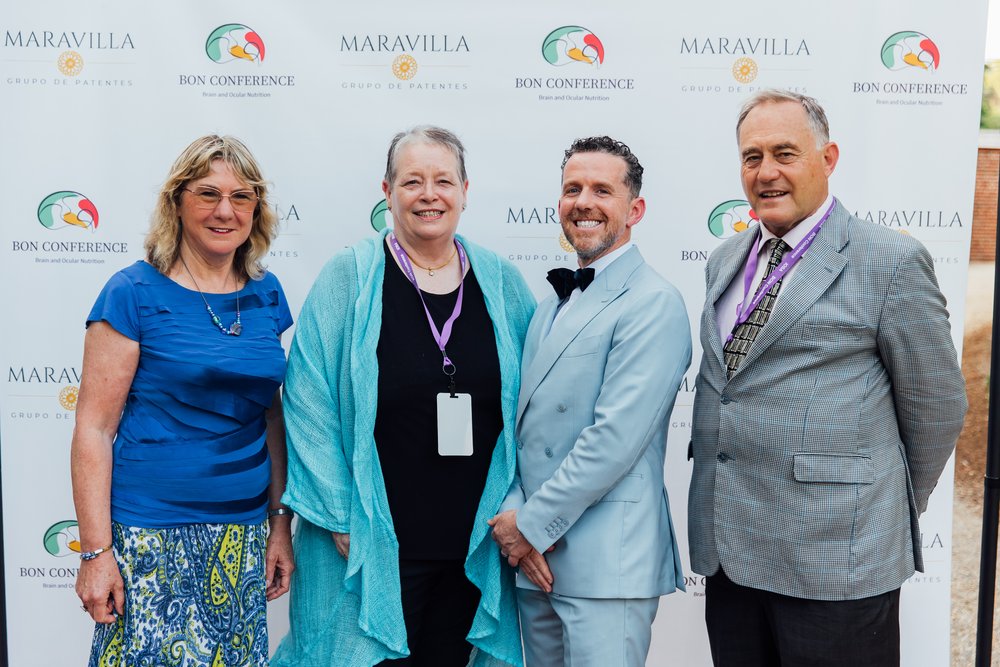
Professor John Nolan (President of BON), Julie Lambert (Foundation Chair), Jon Howard (Foundation Treasurer)

The Foundation awarded Travel Grants to enable three young researchers from Europe to attend BON 2025. These were chosen by the scientific committee at BON.

Pictured here are the Chair of the Foundation, Julie Lambert, with the three recipients of the Travel Grant:

Anushka Shukla from Luxembourg,
Emmanuella Esi Dadzie from Ireland,
Lukas Goerdt from Germany.

The Foundation also awards the Alan Howard Medal which recognizes outstanding contributions from young scientists who presented at the BON Conference. This years winners stood out for their innovation, clarity, and potential to shape the future of brain and ocular nutrition: 1st Place:  Brenda Fonseca, PhD (San Diego, USA); 2nd Place:  Tommy Power (Waterford, Ireland); 3rd Place:  Parker Polston (Buffalo, USA).

Professor Ríona Mulcahy received the Significant Scientific Achievement Award.

Professor Mulcahy is a Consultant in General & Geriatric Medicine at University Hospital Waterford, Clinical Director at UHW, and a leading academic with RCSI, UCC, and SETU in Ireland. She is a senior PI at the Nutrition Research Centre Ireland and chairs the National Clinical Program for Stroke.

Professor Mulcahy was a co-lead of the ReMIND clinical trial in 2022 which was supported by the Foundation. This showed that patients with Alzheimer’s disease, who consume a nutritional supplement containing fish oil, carotenoids and vitamin E, benefit from targeted nutritional intervention. This was published in the Journal of Alzheimer’s Disease.

Visit the BON Conference website and join as a member to view the Conference presentations.

The abstracts of the papers presented at the conference have been published on the website of the Journal of Alzheimer’s Disease.

Health Chat: Carotenoids and AMD

https://www.youtube.com/watch?v=hLkSEp3a910

Dr Anthony Leeds, Trustee of The Howard Foundation and visiting Senior Fellow at the Fredericksburg Hospital, Copenhagen, Denmark, hosts a regular series of video recordings titled Health Chat which are released on both YouTube and an Urdu language channel ‘Bittertruth’, and are intended to inform audiences, including key opinion formers and government and health officials, in South Asia and the South Asian diaspora about obesity-related diseases.

In July and August 2024, Dr Leeds hosted two interviews with Prof John Nolan, Nutrition Research Centre Ireland, South-East Technology University, Waterford, Ireland, to discuss the role of dietary carotenoids in eye health, followed by two interviews with Professor Riona Mulcahy from the University Hospital Waterford to discuss the nature of dementia and the evidence from clinical trials of carotenoid supplements on memory and other aspects of brain function. Click here to read about those four recordings.

In June 2025, Dr Leeds spoke again with Professor Nolan to talk about the role of carotenoids in eye diseases and the ongoing efforts to make more people around the world aware of this. Click here or on the image above to view this recording on YouTube.

Professor Nolan also talked about the conference on Brain and Optical Nutrition, held at Endicott College, Massachusetts, USA 18-20th June 2025 and the role of Supplement Certified in ensuring that supplements containing carotenoids provide the benefits stated on their labels.

2025 Howard Lecture Recording

The fourth annual Howard Lecture was given by Professor Mike Lean, Chair of Human Nutrition at the Glasgow Royal Infirmary on 6th May 2025 in the Howard Theatre, Downing College, Cambridge. Entitled “Redefining Obesity and Diabetes: Radical new treatments, clear thought and common sense“, it was introduced by Professor Graham Virgo, the Master of Downing College, Cambridge and followed by a question and answer session chaired by Professor Steven O’Rahilly, director of the Wellcome-MRC Institute in Cambridge.

The recording of the lecture is available here: vimeo.com/1082564751

Howard Foundation Trustees visit the NRCI

In early April 2025, Professor John Nolan, Howard Chair In Human Nutrition at SETU, hosted a visit by the Trustees of the Howard Foundation to the Nutrition Research Centre Ireland (NRCI) on the campus of the South East Technological University (SETU).

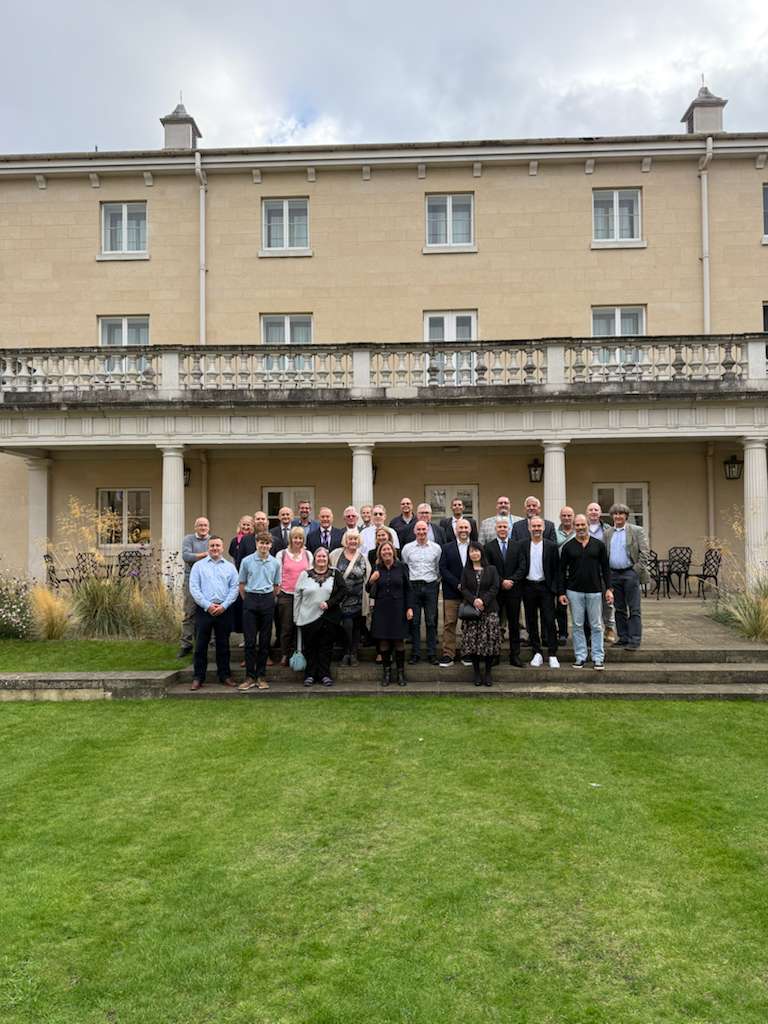
HF Trustees with Professor John Nolan and researchers outside the NRCI
The HF Trustees with Professor Nolan (on the right of the picture) outside the Howard Laboratory

Professor Nolan gave a guided tour of the centre including the Howard Laboratory, where researchers use advanced equipment to study how carotenoids affect eye and brain health, and the Darwin Laboratory which is the analysis laboratory for Supplement Certified.

The highlights of the discussions included a presentation by Dr Anne Graham, Deputy Director of the NRCI, summarising the current research activities of the centre and the future direction focussed on “Health 3.0 – retaining function as we age“. This was followed by more detailed presentations by NRCI researchers on their current projects including the SNIPE (Sport Nutrition Intervention in Performance Environment) project which is sponsored by the Foundation. Dr Alfonso Prado-Cabrero described the work both in the Howard Laboratory and that of Supplement Certified. Professor Nolan outlined the plans for the new optometry school at SETU. The Trustees also met Professor Marie Claire Van Hout, the SETU VP of research.

During their tour, the Trustees were shown two instruments from the early 2000’s, which were used to investigate macular pigment optical density (MPOD):

At the back are the two units that form the eyemet Maculometer. This was invented by Prof John Mellerio and used by Professor Nolan in his PhD research and further studies. Click here to read a detailed description of this machine by Prof Mellerio.

In the front of the picture is a Macular Densitometer which was, at the time, a more advanced system to measure macular pigment. This was developed by Dr Bill Wooten and others. Click here to read a paper describing this machine.

Both use heterochromatic flicker photometry (HFP). Click here to read about HPF.

The Trustees wish to thank all at the NRCI for a very rewarding visit.

2025 Howard Lecture at Downing College

The Howard Foundation are delighted to announce that the fourth Howard Lecture will be held in the Howard Theatre at Downing College on Tuesday 6th May. It will be given by Professor Mike Lean, who holds the chair of Human Nutrition, based at Glasgow Royal Infirmary, where he is also a consultant physician with NHS responsibilities.

His talk is titled “Redefining Obesity and Diabetes: Radical new treatments, clear thought and common sense

Mike is a Downing graduate and now Honorary Fellow. His training, together with his clinical and research experience, has led to a startling new dietary treatment to achieve remission of type 2 diabetes, adopted nationwide and challenging the pharmaceutical industry’s dominance.

The event will be on Tuesday 6th May 2025, starting at 6pm, in the Howard Theatre at Downing College, Cambridge, England, followed by refreshments in the Grace Howard Room.

Attendance is free but please register here for tickets: www.eventbrite.co.uk/e/howard-foundation-lecture-professor-mike-lean-tickets-1244612382139

Archived Records of Alan Howard’s Life and Work (1929-2020)

The Howard Foundation has sponsored an archivist at the Cambridge University Library to catalogue the records of Alan Howard’s life and work using material collected by Alan during his lifetime and given to the library by his son Jon at the end of 2021.

This project is of benefit to researchers in diet, nutrition, the representation of obesity, and the social and historical study of medicine and biological sciences, as well as researchers interested in entrepreneurialism and philanthropy. A professional standard catalogue for the collection preserved in Cambridge University Library also serves as a permanent legacy of the work of Alan Howard.

The records, which now fill seventeen archive boxes, constitute Alan Howard’s personal archive, including documents kept for his own use. The records include patents, correspondence, marketing materials, reports, publications, conference programmes, Howard Foundation records, press clippings, photographs, school notebooks, texts of speeches, CVs and a few items of personal memorabilia. Overall, the records document Howard’s biography, scientific training and research, commercialisation activities, entrepreneurship, and philanthropy.

A second collection of photographs has been donated by Alan Howard’s daughter and son, Julie and Jon. These are held as part of the Library’s digital preservation programme and access will be possible in due course.

To access the physical repository, which is stored in the Manuscripts Reading Room, please click here for the library website about how to visit the reading room.

Click on the image below to see an overview and description of the physical archive.

Howard Chair in Human Nutrition

The Trustees of the Howard Foundation are delighted to announce the extension of the Howard Chair in Human Nutrition at the South East Technological University in Waterford, Ireland. This was awarded initially to Professor John Nolan in 2014, extended to ten years in 2016 and is now extended by a further five years to run until 2031. 
Professor Nolan published his first paper from research into eye disease in 2005. Dr Alan Howard met Professor Nolan in 2009 after which the Foundation sponsored further research focussing on the benefits from nutritional supplementation of the three carotenoids – lutein, zeaxanthin and meso-zeaxanthin.
In 2011, Professor Nolan won the prestigious European Research Council Starting Grant to conduct the Central Retinal Enrichment Supplementation Trials (CREST). This work essentially confirmed the scientific discovery that the use of meso-zeaxanthin, in conjunction with lutein and zeaxanthin (the three nutritional pigments that are found at the back of the eye), can enhance vision in healthy subjects and in patients with age-related macular degeneration (the leading cause of blindness in the western world). In the same year, they founded BON, Brain and Ocular Nutrition, network of scientists which has its next international conference in Boston USA, 17-20 June 2024.
Dr Howard and Professor Nolan continued their joint research until the death of Dr Howard in 2020. This collaboration led to the creation of the Memory Investigation with Nutrition for Dementia (Re-MIND) trial, published in 2022, which showed benefits to patients with Alzheimer’s Disease from nutritional supplementation with the same three carotenoids together with vitamin E and omega 3 fatty acids.
Professor Nolan says: “I am extremely grateful to the Howard Foundation for their continued support of our research, and my position as Howard Chair in Human Nutrition. Dr Howard worked all his life as a scientist, conducting projects from one research grant to the next. He spoke to me always about the challenges of being a scientist and the instability due to funding requirements. This is why he wanted to support a Chair at SETU to allow me to continue my work and support other scientists at our research centre.”
Professor Nolan obtained his PhD at the Waterford Institute of Technology and won a Fulbright Scholarship to work at the Medical College of Georgia, USA. He returned to Waterford and formed the Macular Pigment Research Group. In 2016 he founded the Nutrition Research Centre Ireland which is now part of the South East Technological University in Waterford. 

Click on the picture below to read the full press release from SETU

The picture shows Jon Howard (Trustee), Professor John Nolan and Julie Lambert (Chair of the Howard Foundation)